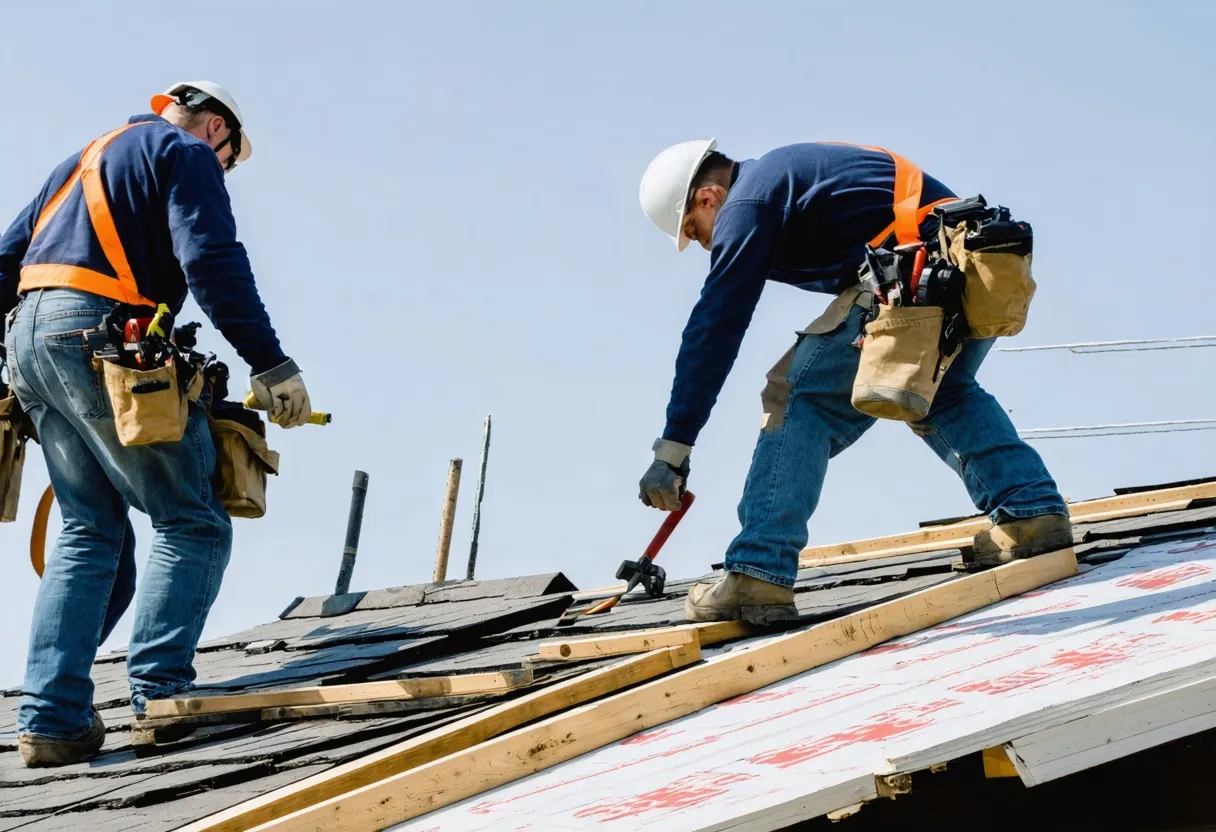
Roofing Spokane Valley homeowners can trust starts with a straightforward promise: manufacturer-credentialed installation, published pricing ranges instead of vague guesses, and a real plan for what happens when a storm damages your roof and you have to deal with an insurance adjuster. Whether you need a single-shingle leak repair after a windstorm, a full tear-off and replacement, or a routine inspection before winter, this page walks through exactly what's involved, what it costs, and how to choose a Spokane Valley roofing contractor who won't leave you guessing.
Eastern Washington roofs work harder than most people realize. Heavy snow loads, freeze-thaw cycles, and wind-driven storms are part of the seasonal pattern here, and each one puts stress on flashing, seams, and aging shingles in different ways. A roof that looks fine from the driveway can already be losing granules, lifting at the edges, or trapping moisture under a compromised underlayment. That's why this page covers not just what a roofing job includes, but how to spot trouble early and how to make sure any repair or replacement is backed by a real, honored warranty.
What Roofing Services in Spokane Valley Should Include
Not every roofing company covers the same ground, and that gap is usually where homeowners get burned. A complete local roofing service should include:
- Roof repair and leak repair — targeted fixes for active leaks, damaged flashing, cracked pipe boots, and wind-lifted or missing shingles
- Roof replacement — full tear-off and re-roofing when repairs no longer make financial sense
- Maintenance and inspections — scheduled checkups that catch small problems before they become leaks
- Roof coatings and cleaning — moss and debris removal, plus protective coatings for flat and low-slope roofs
- Emergency and 24/7 service — rapid tarping and temporary repair after storm damage
- Insurance claim coordination — documentation and direct communication with your adjuster
If you're already dealing with an active leak, don't wait — head straight to our roof repair services page for details on how fast we can get someone on your roof.
Roof Repair and Leak Repair
Most repair calls fall into a few recurring categories: shingles torn loose by wind, flashing that's pulled away from a chimney or skylight, a pipe boot that's cracked and drying out, or ice damming along the eaves that forces water back under the shingles. Each of these has a specific fix, and a proper repair addresses the underlying cause, not just the visible symptom.
A thorough repair visit includes a full roof walk (not just a look from the ladder), photo documentation of the damage, and a written scope before any work starts. Small repairs — a handful of shingles, a resealed vent boot — are often finished the same day. More involved leak repair, especially where water has already tracked into the decking, may take longer because damaged plywood needs to be replaced before new shingles go down. For a full breakdown of pricing tiers and what's typically included, see our dedicated roof repair page.
Roof Replacement
Replacement makes sense when a roof is past the point where repairs are cost-effective — usually once shingles are curling or losing granules across large sections, the decking has soft spots, or the roof is simply at the end of its material lifespan. A full replacement involves tear-off of the old roofing material, an inspection and repair of the decking underneath, installation of new underlayment and ice-and-water shield in vulnerable areas (valleys, eaves, around penetrations), and then the new roofing system itself.
Timeline matters here: a typical single-family home replacement takes one to three days depending on roof size, pitch, and material choice, weather permitting. We walk every homeowner through material options up front — including how asphalt shingles compare to metal or membrane systems in cost, lifespan, and appearance — so there are no surprises once the crew is on the roof. Full detail on the replacement process, sequencing, and cost ranges lives on our roof replacement page.
Materials: Asphalt, Metal, TPO, and Single-Ply
Material choice drives both cost and long-term performance, and it should be matched to your roof's slope, your home's style, and your budget:
- Asphalt shingles — the most common choice for pitched residential roofs; budget-friendly, wide range of colors, typically installed as GAF or Owens Corning architectural shingles for better wind resistance and a stronger manufacturer warranty
- Metal roofing — standing-seam or metal shingle systems that shed snow well, resist wind uplift, and generally outlast asphalt by decades, at a higher upfront cost
- TPO membrane — a single-ply, heat-welded membrane used on flat and low-slope roofs (additions, garages, some ranch-style homes); reflective, seam-sealed, and resistant to ponding water
- Single-ply systems (Duro-Last, EPDM) — factory-fabricated membranes custom-cut to your roof for tight seams and fewer field welds, a strong option for low-slope sections
We install and recommend materials based on manufacturer specifications, not upsell targets — if asphalt shingles are the right fit for your budget and roof pitch, that's what we'll recommend, plainly.
Certifications and Manufacturer Credentials
Anyone can call themselves a roofer. Manufacturer credentials mean an independent company has verified installation quality, licensing, and insurance before extending their name and warranty backing to a contractor. That's the difference between a standard material warranty and an enhanced, workmanship-backed warranty that actually covers labor if something goes wrong.
- GAF Master Elite — awarded to roughly the top 3% of roofing contractors nationally; required for GAF's strongest warranty tiers
- Owens Corning Preferred Contractor — vetted installers eligible for extended system warranties on Owens Corning shingle systems
- Duro-Last Authorized Contractor — required certification for installing Duro-Last's factory-fabricated single-ply membrane with full warranty coverage
When you're comparing quotes, ask every contractor which of these they actually hold — not just which brands they "carry." It changes what warranty is available to you.
Maintenance, Inspections, Coatings, and Cleaning
A roof inspection twice a year — typically spring and fall — catches the small stuff before it turns into a leak: lifted shingle tabs, worn pipe boot seals, clogged valleys, granule loss, and moss or debris buildup that traps moisture against the roofing material. Inspections should include photos and a written report, not just a verbal "looks fine."
For flat or low-slope roofs, periodic cleaning and recoating extends membrane life significantly and is far cheaper than early replacement. Moss removal on shingle roofs matters too — moss holds moisture against the shingle surface and accelerates granule loss, especially on north-facing slopes that stay shaded longer through the colder months.
Emergency and 24/7 Roofing Service
Storm damage doesn't wait for business hours. Wind can tear shingles loose in minutes, and once a section of roof is exposed, every hour of rain or snow makes the interior damage worse. Emergency service means a same-day or next-morning response to stop active water intrusion — typically a tarp-over or temporary patch — followed by a full repair scope once conditions allow. If you're dealing with active storm damage right now, our emergency roof repair page has direct next steps.
Signs You Need Roof Repair or Replacement
Most roof failures don't happen suddenly — they show warning signs first. Watch for:
- Shingles that are curling, cracked, or missing granules (visible as dark streaks in gutters or downspouts)
- Daylight visible through the roof deck from inside the attic
- Water stains or discoloration on interior ceilings, especially near exterior walls or chimneys
- Sagging areas anywhere on the roofline
- Rusted, cracked, or separated flashing around chimneys, vents, and skylights
- Granules collecting in gutters after a wind or hail event
- Visible moss, algae streaking, or standing water on flat sections
If you notice any of these, an inspection now is almost always cheaper than a repair later.
The Insurance Claim Playbook
Wind and hail damage claims are common in this region, and insurance companies don't always make the process easy. Here's how a well-run claim should go:
- Documentation first. Before any repair work starts, we photograph and log all visible damage — this becomes the backbone of your claim.
- Adjuster meeting. We meet your insurance adjuster on the roof whenever possible, pointing out damage that's easy to miss from the ground and making sure the scope of work matches what's actually needed.
- Scope review. We compare the insurance company's estimate against our own inspection findings and flag anything that's missing — a common gap area.
- Approved work. Once the claim is approved, we schedule the repair or replacement and work directly from the agreed scope, so there's no confusion about what's covered.
- Final documentation. Completed-work photos go back to your insurer to close out the claim cleanly.
This process exists because storm-damage claims that aren't documented properly get underpaid or denied — a properly handled claim protects you, not just the contractor.
How the Roofing Process Works
Every project — repair or replacement — follows the same basic arc:
- Free estimate and inspection. We assess the roof in person, document findings with photos, and provide a written estimate with no obligation.
- Material and scope selection. We walk through material options, cost ranges, and warranty tiers so you're choosing with full information.
- Scheduling. Work is scheduled around weather windows, since roofing materials need dry conditions to install properly.
- Installation. Crews follow manufacturer specifications exactly, since deviation from spec is what voids enhanced warranties.
- Final walkthrough. We inspect the completed work with you, clean the property (magnetic sweep for nails included), and provide warranty documentation.
What Affects the Cost of a Roofing Job
Every estimate should explain, in plain terms, what's driving the number. The main factors are:
- Roof size and pitch — more square footage and steeper slopes mean more material and labor time
- Material choice — asphalt shingles sit at the lower end of the range; metal roofing and premium membrane systems cost more upfront but often last longer
- Decking condition — rotted or soft plywood found during tear-off adds material and labor cost that can't always be predicted before the old roof comes off
- Number of penetrations — chimneys, skylights, and vents each require flashing work that adds time
- Accessibility — steep roofs or homes with limited equipment access take longer to work safely
- Tear-off layers — removing multiple existing layers of roofing costs more than a single-layer tear-off
Asphalt shingle repairs are typically the most affordable entry point, while full replacements with metal or single-ply membrane systems sit at the higher end. Every estimate we provide breaks these factors out line by line, so you can see exactly where the money goes rather than getting a single lump-sum number.
Warranty and Financing
A roof is only as good as the warranty behind it. We back workmanship with a 10-year guarantee separate from the manufacturer's material warranty, so you're covered on both the product and the installation. Because we hold GAF Master Elite, Owens Corning Preferred, and Duro-Last certifications, qualifying jobs are also eligible for enhanced manufacturer warranty tiers that go beyond standard coverage — something a non-certified installer simply can't offer, regardless of what materials they use.
For homeowners who need to spread out the cost of a full replacement, financing options are available so a roof failure doesn't have to mean paying the entire cost upfront. We'll walk through financing terms alongside your estimate so you can compare it directly against paying in full.
Request your roof assessment
Tell us about your roof and we'll walk you through materials, cost range, and insurance options if you need them.
More roofing services
Ready to see your options?
Get a clear look at your roof, your material choices, and your cost range — no pressure to decide today.